Show me one photo you haven't touched
One of the biggest online marketplaces for handmade goods now wants at least one unedited photo of the real item in most listings, and has banned AI-written patterns and recipes. The reason is buyer trust, and that rule is worth copying on your own website before anyone makes you.
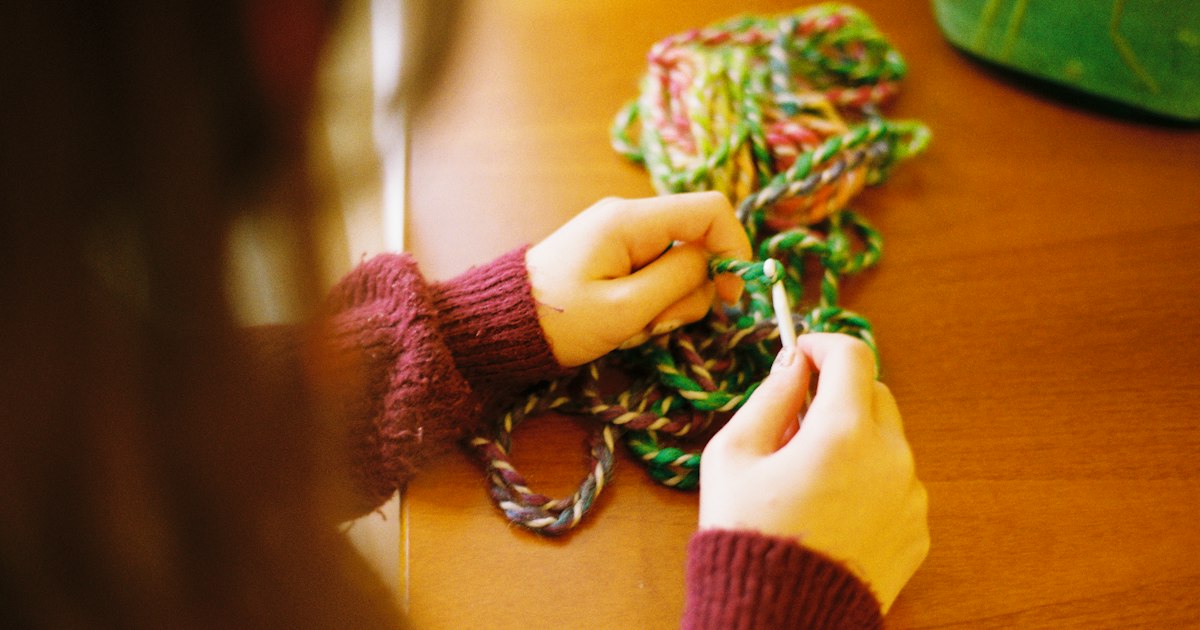
Picture a crochet pattern for a little knitted fox. The photo is adorable. You pay, download it, buy the yarn, and spend three evenings following the instructions.
What you end up with looks nothing like a fox, because the pattern was never going to make one. Nobody had ever made it. The photo was generated, and so were the instructions.
Handmade sellers have been complaining about exactly this for the best part of a year. On 22 October, one of the biggest online marketplaces for handmade and vintage goods responded with new rules for AI in listings.
What changed
The marketplace has nearly six million sellers, and by its own count nearly nine in ten of them run their shop alone. These are the main changes:
- One real photo. Most listings must now include “at least one unaltered photo of the actual item against a real background”. According to the updated image rules, that photo can’t be cropped, straightened, brightened or put on a new background.
- Proof that it works. Patterns, recipes and similar listings need a real, unedited photo of a finished result actually made from them.
- No AI instructions. In the marketplace’s words: “Functional guides, such as patterns and recipes, which require buyers to put in effort to achieve a finished product, cannot be created using AI.”
- No listings made entirely by bots. “Bot-generated listings without human involvement are not allowed.”
- AI art is still allowed, as long as the seller says AI was used and doesn’t call it handmade.
Your other photos can still be edited, with AI or anything else, but they must “accurately represent the item a buyer will receive”.
Enforcement comes in stages. Sellers get a warning when AI images are spotted at upload, and checks of existing listings come next. Buyers can now report listings they think are misleading, and the company expects removals to increase over the coming months.
Why a marketplace would do this to itself
A marketplace doesn’t make listing harder for millions of sellers without a good reason, and in this case the reason is trust.
When anyone can generate a perfect product photo, a perfect photo proves nothing. Shoppers have learned this the hard way, and they’ve started to doubt honest sellers along with the fakes. The company’s vice president for customer operations put it simply: “Buyers should always be able to understand the role you play in every item you sell.”
The instructions rule is the clever part. A generated picture of a vase is at least a picture of a vase. A generated pattern is different, because it sends someone off to spend money and evenings on something that may never come out right. AI writing tools are good at producing confident text, but not at checking that a recipe works or that row fourteen of a pattern actually joins up with row fifteen.
This isn’t only about one marketplace
You might not sell on a marketplace at all. The rule is still worth noticing, because it settles an argument that affects every small business with a website.
The thing that now proves you’re real is not polish. It’s evidence, like:
- a photo of the actual item, not the ideal version of it;
- a finished result that someone actually made;
- a plain statement of what you made, what you bought in, and what a tool helped with.
One big marketplace has now made that the minimum for its sellers. A shopper who has bought a pattern that couldn’t be finished will now look for the same proof everywhere, including on your website. And no marketplace can enforce rules on your own site, so the only standard there is the one you set.
That’s not bad news. A small maker, a bakery that sells its recipe book or a furniture restorer already has the evidence. They just need to put it where people can see it.
The fair question
devkoi builds websites with AI, so it’s fair to ask why it’s on the side of a marketplace limiting AI.
The answer is that the line in these rules is the line devkoi draws too. A tool can help put a page together and write a first draft of a description. It can’t make your product, test your instructions or take a photo of your workbench. When a site needs a picture of something the owner could photograph, devkoi asks the owner for it instead of making one up.
To be clear about the limits: devkoi doesn’t check whether your photos have been edited, can’t tell whether your instructions work, and has nothing to do with your marketplace listings or how they’re reviewed. Those are up to you and the marketplace.
What to do this week
1. Add one untouched photo to every product on your website. Use the real item, on your real table, in daylight, with no edits. Put it next to your best photo, not instead of it, and say what it is.
“Add this photo to the fox cushion page as the second image, captioned ‘Unedited, straight from the camera.’”
2. If you sell instructions, show something made from them. Patterns, recipes, care guides and kits all count. Add a photo of a finished piece, ideally made by a customer or a friend who followed the instructions without your help.
“On the sourdough recipe page, add this photo of a loaf a customer baked from it, with their first name if they’re happy to share it.”
3. Test anything a tool helped you write. If you used AI on instructions, sizes, timings or care advice, have someone follow them for real before they go on your website. Then tell devkoi exactly what to correct.
“In the care guide, change the washing temperature from 40 to 30 degrees, and remove the line about tumble drying.”
4. Write one honest line about how you make things. Say what you make by hand, what you buy in, and what a tool helps with. “Every piece is made by me in my garden studio. I use software to help write my product descriptions” is more reassuring than silence.
“Add a short ‘How it’s made’ section to the About page with this text: …”
5. Show your hands at work. Two or three photos of the work in progress, such as the bench, the half-finished piece or the messy middle, are hard to fake and easy to take.
“Add these three work-in-progress photos to the About page, under ‘How it’s made’.”
6. Check your website against the marketplace’s standard. If you sell in both places, look at your own product pages and ask whether each one would pass the new marketplace rules. If one wouldn’t, fix it there first.
Nobody likes new rules, and handmade sellers have reasons to be wary. The rules leave open questions, for example how they’ll treat the automatic processing every phone camera does, and automated takedowns have caught honest sellers before.
But the idea underneath is right, and it’s an idea small makers and shops won before any rule was written. Your customers aren’t looking for the perfect picture. They want to see the real thing, made by a real person, from instructions that work.